
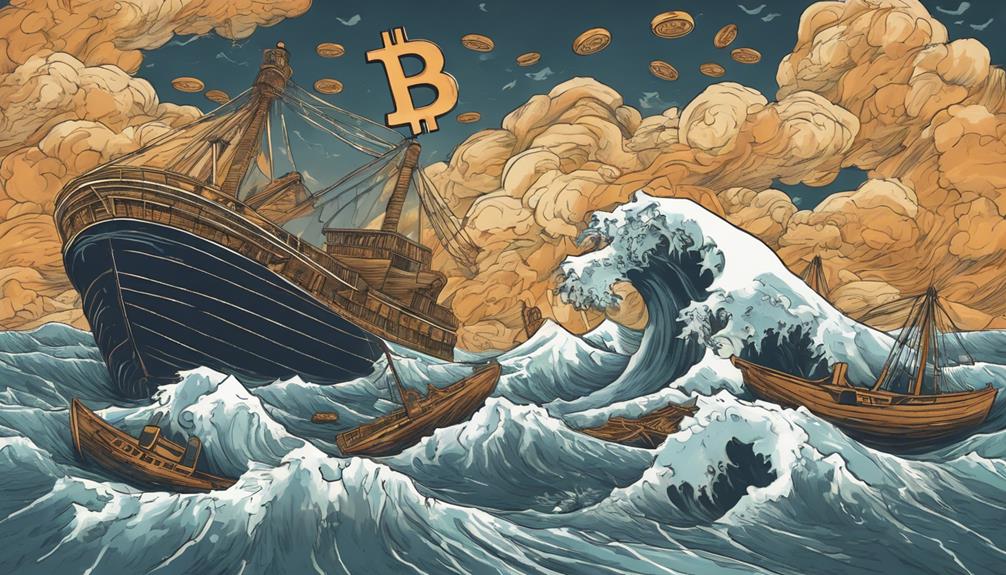
The collapse of Mt. Gox still haunts the Bitcoin world. As one of the earliest and largest Bitcoin exchanges, its downfall in 2014 sent shockwaves through the crypto community. Now, with Mt. Gox set to repay around $9 billion worth of Bitcoin to its former users, the market is once again bracing for impact.
The upcoming distribution of these vast amounts of BTC could lead to significant price fluctuations. Investors and analysts are closely watching how this massive release of assets will affect the overall market. Some fear a potential sell-off that could drive prices down, while others see an opportunity for new investors to enter the space.
Understanding the historical significance of Mt. Gox and the potential implications of these repayments is crucial for anyone involved in Bitcoin today. This event serves as a stark reminder of the lasting influence that past events can have on the current crypto landscape. Stay informed and be prepared for what’s to come.
The Collapse of Mt. Gox
Mt. Gox was once the largest Bitcoin exchange in the world, but its collapse in 2014 left a lasting mark on the cryptocurrency community. Let’s take a closer look at the events that led to its downfall and the impact it had on Bitcoin.
Timeline of Events
The story of Mt. Gox is a roller coaster of highs and lows. Here’s a detailed timeline of key dates:
- 2010: Mt. Gox is launched by programmer Jed McCaleb.
- 2011: Mark Karpeles buys Mt. Gox, and the exchange suffers its first hack, leading to a loss of 80,000 BTC.
- 2013: By now, Mt. Gox is handling over 70% of all Bitcoin transactions worldwide.
- February 7, 2014: Mt. Gox halts all withdrawals, citing technical issues.
- February 24, 2014: Mt. Gox goes offline, and a “crisis strategy” document is leaked, revealing the loss of 850,000 BTC.
- February 28, 2014: Mt. Gox files for bankruptcy protection in Tokyo, claiming it had lost 750,000 of its customers’ Bitcoins and 100,000 of its own.
Loss of Funds
The disappearance of funds was a major factor in the collapse of Mt. Gox. What caused this massive loss?
- Undetected Theft: It was discovered that hackers had been siphoning off Bitcoins from Mt. Gox’s wallets since 2011. This continued for years without anyone noticing.
- Internal Mistakes: The exchange’s poor management and lack of security protocols made it an easy target for hackers.
- Bankruptcy Declaration: Once the full extent of the loss was revealed, Mt. Gox filed for bankruptcy. This left many users without their funds and led to a loss of confidence in Bitcoin exchanges.
The collapse of Mt. Gox is a stark reminder of the importance of security and transparency in the cryptocurrency market. It exposed the vulnerabilities within the system and set the stage for more robust and secure exchanges in the future.
Impact on Bitcoin and Cryptocurrency Market
The collapse of Mt. Gox, once the world’s largest Bitcoin exchange, has left a lasting shadow on the cryptocurrency market. The repercussions of this historic event have influenced market reactions and regulatory responses in ways that continue to shape the crypto landscape.
Market Reactions
When Mt. Gox went down in 2014, Bitcoin’s price took a nosedive. The exchange lost about 850,000 bitcoins, which was roughly $460 million then. This incident caused an immediate drop in Bitcoin’s value and sent shockwaves through the entire crypto market.
- Immediate Impact: Investors panicked and started to sell off their holdings, which led to a significant decrease in Bitcoin’s price. The fear and uncertainty created by the collapse spread like wildfire, leading to a market-wide decline.
- Long-term Effects: Over the years, the market has shown resilience, but Mt. Gox’s shadow lingers. The trust in Bitcoin and other cryptocurrencies took a massive hit. Even now, news of Mt. Gox’s ongoing repayment plans makes waves in the market. For example, in July 2024, reports of Mt. Gox’s plans to repay creditors caused Bitcoin’s price to drop as investors anticipated a large influx of Bitcoin being sold.
Regulatory Changes
The Mt. Gox incident didn’t just affect market prices – it also led to significant regulatory changes across the globe. Here’s how different countries responded:
- United States: The SEC ramped up its oversight, treating cryptocurrencies with more scrutiny and applying securities laws. They aimed to protect investors and ensure market stability, responding to the vulnerabilities exposed by Mt. Gox’s failure.
- Japan: As the home of Mt. Gox, Japan took drastic steps. The Financial Services Agency (FSA) introduced regulations requiring exchanges to register and adhere to strict security protocols. This move aimed to prevent another disaster and boost investor confidence.
- Europe: Several European countries joined forces to create a unified stance on cryptocurrency regulation. They focused on enhancing security measures and making it harder for fraudulent activities to go unnoticed.
- Global Impact: The Mt. Gox collapse highlighted the need for international cooperation in regulating cryptocurrencies. Countries recognized that digital currencies operate beyond borders and require a coordinated approach to ensure their stability and security.
In summary, the Mt. Gox incident was a wake-up call for both the market and regulators. It underscored the need for better security measures and clearer regulations to protect investors and maintain market stability.
The Resurrection of Mt. Gox
After years of legal battles and uncertainty, the saga of Mt. Gox is nearing its end. Let’s explore the recent updates and their effects on Bitcoin.
Recent Developments
The story of Mt. Gox is seeing new chapters in 2024 with substantial asset distributions. By the end of July, an additional $2 billion worth of Bitcoin was transferred to fresh addresses. This has reduced Mt. Gox wallets to $3 billion, down from $9 billion a month ago.
Several platforms, like Bitstamp, have commenced the distribution process, enabling creditors to finally see the light at the end of the tunnel. Notably, the bulk of the $8 billion still remains, but the progress marks a great relief for many. Imagine waiting over a decade to reclaim what was rightfully yours. That’s the plight many of these creditors faced, and now, a resolution seems more tangible than ever.
Key points:
- $2 billion worth of Bitcoin moved to fresh addresses.
- Platforms like Bitstamp distributing assets.
- Bulk of $8 billion still pending full distribution.
Impact of Liquidation on Bitcoin Prices
The ongoing distribution of Mt. Gox assets has undeniable implications for Bitcoin’s market value. Whenever substantial amounts of Bitcoin are released, the market holds its breath. Surprisingly, Bitcoin has shown resilience. Despite the massive transfers, Bitcoin prices have stayed relatively steady.
Why is this significant? The fear of Bitcoin’s price crashing due to sudden supply increases has hovered like a dark cloud. Yet, current trends show a different narrative. Creditors seem to be playing the “HODL” game, holding onto their assets rather than flooding the market. This behavior has helped stabilize prices.
Consider this:
- If these holders decided to sell immediately, Bitcoin’s price could plummet.
- Continued resilience suggests confidence in long-term value.
What’s next? The full impact of Mt. Gox’s distribution will unfold in time. With the majority of assets yet to be released, the market will keep a close watch. Whether Bitcoin continues to ride the wave or faces a storm depends largely on creditor actions.
Stay tuned as we monitor these developments and their ongoing effects on the crypto world.
Lessons Learned from the Mt. Gox Saga
The collapse of Mt. Gox, once the largest Bitcoin exchange, was a major event in the world of cryptocurrency. Its downfall taught both investors and the industry crucial lessons about security and consumer awareness. Let’s look at these lessons and see how the crypto world has responded.
Security Measures
The Mt. Gox collapse exposed severe flaws in security practices, leading to significant improvements across the industry. What changes have we seen?
- Two-Factor Authentication (2FA): Many exchanges now require 2FA for all users. This extra layer of security ensures that even if someone has your password, they can’t access your account without a second verification step.
- Cold Storage: Instead of keeping all assets online, exchanges now often use “cold storage,” which means storing the majority of funds offline where they can’t be hacked.
- Regular Audits: To ensure transparency and security, crypto exchanges frequently undergo security audits. These audits identify vulnerabilities before they become problematic.
- Bug Bounty Programs: Some exchanges offer rewards to freelancers who find security flaws. This incentivizes external experts to help improve security.
These measures have made the crypto environment safer, reducing the risk of another Mt. Gox-like disaster.
Consumer Awareness
Beyond institutional changes, the Mt. Gox incident highlighted the importance of consumer awareness. What should you, as an investor, keep in mind?
- Do Your Research: Before investing in a crypto exchange, look into its history, security measures, and user reviews. Know what you’re getting into.
- Diversify Investments: Don’t put all your eggs in one basket. Spread your investments across different exchanges and cryptocurrencies to minimize risks.
- Stay Updated: The crypto market is evolving. Follow credible sources to stay informed about potential risks and emerging threats.
- Understand the Technology: While you don’t need to be a tech expert, having a basic understanding of how blockchain and cryptocurrency work will help you make informed decisions.
- Be Wary of Promises: If it sounds too good to be true, it probably is. Be cautious of exchanges promising high returns with little risk.
These practices help protect consumers from fraud and losses, fostering a more informed and resilient investor community.
The Mt. Gox saga was a wake-up call for everyone involved in the cryptocurrency world. By taking these lessons to heart, both the industry and individual investors can navigate the crypto waters more safely and smartly.
Conclusion
Mt. Gox’s collapse continues to cast a long shadow on Bitcoin and the broader cryptocurrency landscape. Its recent repayment initiatives highlight the enduring impact on market dynamics and investor sentiment.
The historical significance of Mt. Gox serves as a reminder of the sector’s volatility. Yet, Bitcoin’s resilience amidst these ongoing challenges demonstrates its evolving maturity.
Stay informed, invest wisely, and join the conversation about the future of digital currencies. Share your thoughts below!
Thank you for reading.