
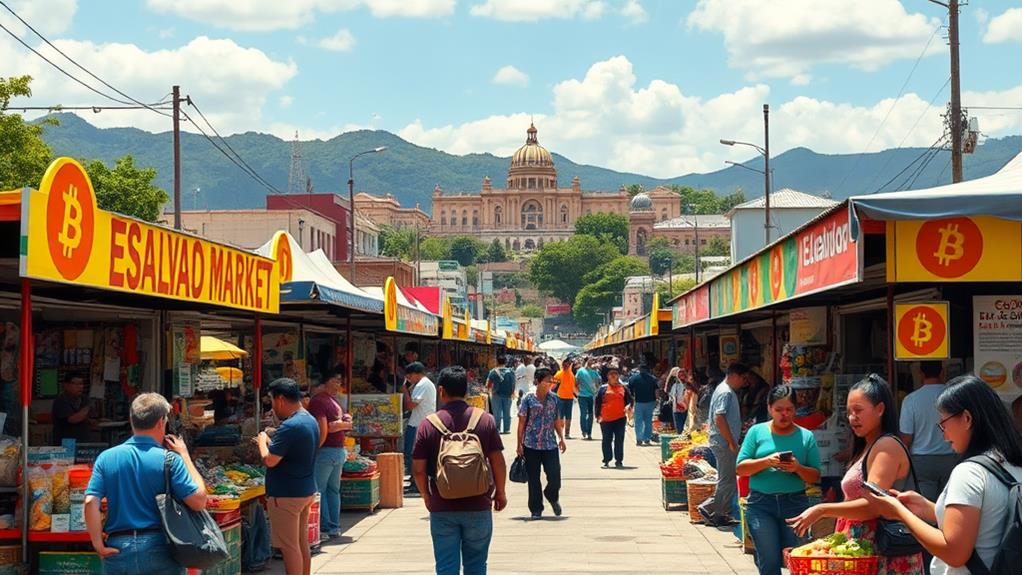
In a bold move that caught the world’s attention, El Salvador embraced Bitcoin as legal tender. This decision has proved financially rewarding, with the country netting a $31 million profit. Under President Nayib Bukele’s leadership, this pivot towards digital currency has put El Salvador on the map as a pioneer in the crypto economy. Despite initial skepticism, the strategic adoption of Bitcoin is now being hailed as a success. This experiment not only highlights the potential of cryptocurrencies in national economies but also solidifies Bukele’s vision for economic transformation. Whether you’re a crypto enthusiast or simply curious about economic innovations, this story offers intriguing insights into how futuristic finance can influence global trends.
Background on Bitcoin Adoption in El Salvador
In recent years, El Salvador has become a trailblazer by being the first country to adopt Bitcoin as legal tender. This bold move set the stage for significant economic transformations. However, the journey was filled with intriguing legislative maneuvers and public reactions that played crucial roles in shaping this financial revolution.
The Legislative Journey
The legislative journey to adopt Bitcoin in El Salvador started with a surge of optimism and strategic planning. Here’s how it unfolded:
- June 5, 2021: President Nayib Bukele announced the plan to introduce Bitcoin as legal tender during the Bitcoin 2021 conference in Miami. This announcement was met with global attention.
- June 9, 2021: The Legislative Assembly swiftly passed the Bitcoin Law. The vote count was compelling, with 62 out of 84 legislators in favor. This quick decision highlighted the urgency and commitment by the government to innovate the financial landscape.
- September 7, 2021: The Bitcoin Law officially came into effect, marking it a historic day for El Salvador. This move placed El Salvador on the global financial map and set off a series of reactions both domestically and internationally.
Did this legislative path seem like a whirlwind? It was. The rapid pace demonstrated El Salvador’s eagerness to position itself as a pioneer in digital currency adoption.
Public Reception and Initial Challenges
The public reaction to Bitcoin’s adoption was a mixed bag. On the one hand, it promised broader financial inclusion and innovation; on the other, it sparked concerns and protests. Here’s what the scene looked like:
- Public Protests: Not everyone was thrilled. There were waves of protests from citizens who were apprehensive about Bitcoin’s volatility. Concerns about the potential impact on the economy and personal savings loomed large.
- Challenges with Implementation: Rolling out Bitcoin as legal tender wasn’t without hurdles. Issues with the national digital wallet, Chivo, emerged. Some users experienced technical glitches that complicated transactions. Moreover, a lack of widespread understanding of cryptocurrency led to confusion and resistance.
- Government’s Response: To address these challenges, the government took proactive steps. Educational programs aimed at bridging the knowledge gap about Bitcoin were introduced. Financial incentives, like a $30 Bitcoin bonus for using the Chivo wallet, were also implemented to encourage adoption.
The initial challenges highlighted the complexities involved in such a pioneering move. It was a testament to the old adage – where there’s change, there’s challenge. But it also opened doors for conversations about the future of digital currencies.
In a sense, El Salvador’s Bitcoin adoption was like jumping into the deep end of a pool – unfamiliar and daunting at first, but with the potential for exciting new adventures once acclimated.
Economic Impact of Bitcoin Integration
El Salvador’s integration of Bitcoin into its economy has been nothing short of revolutionary. President Nayib Bukele’s bold move to make Bitcoin legal tender has created ripples across various sectors. This section explores the economic effects, including the boost to tourism and foreign investment, as well as the impact on remittances and financial inclusion. Let’s dive into the changing landscape of El Salvador’s economy.
Boost in Tourism and Foreign Investment
The allure of Bitcoin has transformed El Salvador into a hot destination for tech enthusiasts and investors alike. When Bitcoin became an official currency, tourists flocked in, eager to experience the world’s first Bitcoin nation. According to reports, tourist interest spiked by 30%, with many visitors drawn by the country’s embrace of digital currency.
- Notable Increases: In 2022, El Salvador witnessed a remarkable 45% rise in tourism revenue. Bitcoin Beach, a small community showcasing Bitcoin-friendly businesses, became a symbol of this transformation.
- Foreign Investment: El Salvador’s appeal wasn’t limited to tourists. Foreign investors saw an opportunity in its tech-forward economy. From blockchain tech startups to venture capital firms, the country’s economic horizon expanded, attracting investments worth over $200 million in the first year alone.
This surge in tourism and investment has positioned El Salvador as a beacon for other countries contemplating the adoption of Bitcoin.
Remittances and Financial Inclusion
For Salvadorans working abroad, sending money back home has long been a costly affair. Bitcoin has reshaped this narrative, making remittances faster and less expensive. With over 23% of the nation’s GDP derived from remittances, this transformation holds immense significance.
- Cost Savings: Traditional money transfer services often charge hefty fees, but Bitcoin’s decentralized system avoids these costs. Transactions via Bitcoin have reduced remittance fees by up to 50%, allowing more money to reach families in need.
- Financial Inclusion: A significant chunk of El Salvador’s population lacks access to traditional banking. Bitcoin has filled this gap, offering easy-to-use digital wallets. Even those without bank accounts can now participate in the economy, forging a path towards greater financial inclusion.
This greater accessibility demonstrates Bitcoin’s potential to empower unbanked communities and highlights why its adoption has become a pivotal economic strategy for El Salvador.
The $31 Million Profit: Analysis
El Salvador has shocked many by transforming its Bitcoin investment into a $31 million profit. This bold move has placed the country in the limelight, showing how calculated risks can potentially yield high rewards. Let’s break down the factors that contributed to this remarkable achievement.
Market Volatility and Strategic Timing
In the world of cryptocurrencies, timing is everything. El Salvador’s success can largely be attributed to strategic buying and selling during periods of market fluctuation. When Bitcoin prices plummeted, the government took advantage of the lower rates, purchasing more Bitcoin to boost their holdings.
Here’s how they managed this:
- Monitoring Trends: Constantly watching market trends allowed them to identify the perfect moments to buy low and sell high.
- Understanding Volatility: Instead of fearing Bitcoin’s notorious volatility, El Salvador embraced it, using market dips to accumulate more assets at reduced prices.
- Swift Decisions: The ability to make quick, informed decisions was crucial. This agility in decision-making often meant the difference between loss and profit.
El Salvador’s knack for timing their entry and exit in the Bitcoin market was akin to a surfer catching the perfect wave. The right balance of patience and action played a pivotal role in turning their Bitcoin holdings into a substantial profit.
Government Strategies and Initiatives
The Salvadoran government’s proactive approach has been key to optimizing their Bitcoin investments. Specific strategies and initiatives included:
- Educational Programs: By educating the public and fostering a Bitcoin-friendly environment, the government increased local involvement, which helped stabilize the market.
- Strategic Partnerships: Collaborations with tech companies and financial institutions bolstered their Bitcoin strategy, providing both expertise and infrastructure.
- Policy Implementations: Implementing favorable regulations and taxation policies encouraged more Bitcoin transactions within the country, indirectly boosting their reserves.
These tactics were like pieces of a puzzle fitting together to form a clear picture of success. By creating a supportive ecosystem for Bitcoin, El Salvador not only prospered financially but also carved a niche as a brave innovator in the crypto space.
In essence, El Salvador’s $31 million Bitcoin profit wasn’t just a stroke of luck. It was the result of calculated strategies, market understanding, and a willingness to innovate. The story serves as a valuable lesson in how embracing new technologies and making informed decisions can lead to unexpected success.
Lessons Learned from El Salvador’s Bitcoin Experience
El Salvador’s journey with Bitcoin has been nothing short of revolutionary. Since adopting the cryptocurrency as legal tender in 2021, the Central American nation has faced a mix of triumphs and tribulations. While the country has opened new doors for financial innovation, it’s also been met with a fair share of skepticism. This section uncovers the critical lessons emerging from this bold step toward digital currency.
Risks and Challenges Ahead
Embracing Bitcoin wasn’t all smooth sailing for El Salvador. The nation could face several potential risks that need careful navigation:
- Regulatory Issues: Adapting to an ever-evolving cryptocurrency landscape is a daunting task. El Salvador must constantly update its legal framework to address compliance and ensure consumer protection. The government faces the challenge of balancing regulation with innovation without stifling growth.
- Market Volatility: Bitcoin’s infamous price swings can lead to economic instability. A sharp devaluation can significantly affect national reserves, leading to financial disarray. The country may need robust policies to manage these fluctuations and mitigate risks.
- Public Reception: Not everyone is on board with Bitcoin. There’s skepticism rooted in the fear of scams and a general lack of understanding of crypto. Educating the public remains a priority to increase acceptance and trust in this new financial system.
Global Reactions and Future Perspectives
The world is watching El Salvador’s crypto experiment closely. Here’s how it’s shaping perspectives on a global scale:
- International Opinions: While some nations applaud El Salvador’s boldness, others view it with caution, concerned about the implications for money laundering and financial instability. Countries may take lessons from El Salvador in crafting their strategies, weighing benefits against potential downsides.
- A Pathway for Adoption: By making Bitcoin a national currency, El Salvador has become a testing ground for other countries considering similar steps. Success here will likely inspire others to embrace cryptocurrencies, potentially changing the global financial landscape.
- Influence on Global Policies: The international community, including bodies like the IMF, keeps a close eye on the outcomes. The results could influence future financial policies and international guidelines surrounding cryptocurrencies.
El Salvador’s experiment with Bitcoin stands as a beacon of financial innovation and risk. While it has its hurdles, the insights gained are invaluable for any country considering a digital currency revolution. Who knows? El Salvador could be paving the way for a new financial norm.
Conclusion
El Salvador’s leap into Bitcoin showcases its daring financial strategies and the tangible rewards from its $31M crypto success. By adopting Bitcoin as legal tender, it set a precedent, pushing boundaries and inviting countries to rethink traditional finance. As President Nayib Bukele’s vision unfolds, the potential for cryptocurrency to reshape economies is undeniable.
The success here isn’t just in numbers but in setting a bold example. Future developments could reveal even more groundbreaking financial transformations globally.
This story of courage and innovation invites further exploration. Could this be a new dawn for economies everywhere? Share your thoughts, and let’s keep the conversation going.