
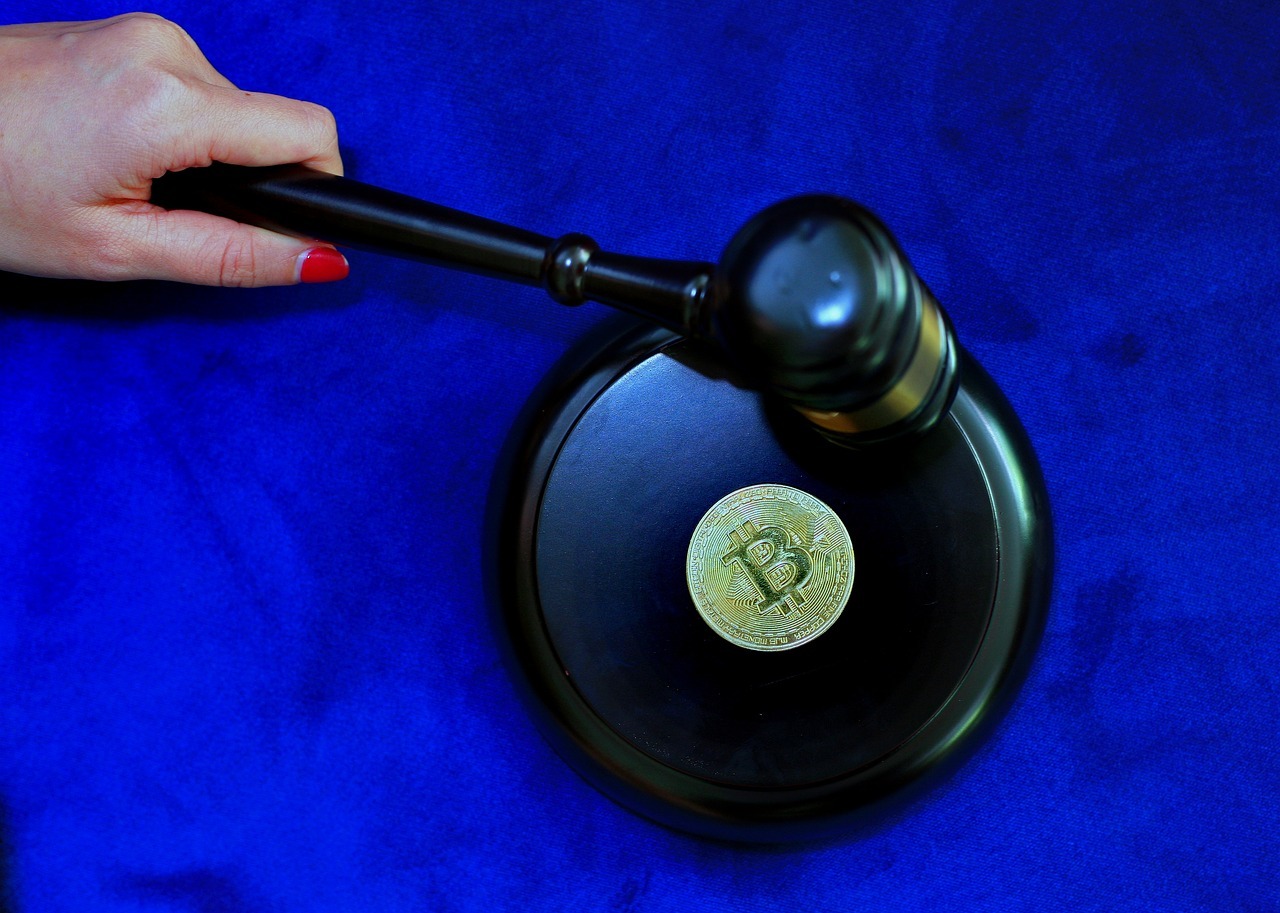
The cryptocurrency market has been rocked by a series of scandals, shaking investor confidence and prompting widespread scrutiny. FTX, once a leading exchange valued at $32 billion, collapsed spectacularly, leaving many questioning the stability of crypto platforms. Similarly, JPEX’s sudden downfall in Hong Kong is shaping up to be one of the largest financial frauds in the region. These recent events not only highlight the vulnerabilities within the crypto sector but also underscore the urgent need for effective regulation. Stay tuned as we unpack the details and implications of these major crypto scandals.
The Collapse of FTX
FTX was once a heavyweight in the crypto exchange world. Its sudden collapse has sent shockwaves through the entire cryptocurrency market. This section explores the beginnings of FTX, the reasons behind its downfall, and the aftermath of this financial disaster.
Background of FTX
FTX was founded in 2019 by Sam Bankman-Fried and quickly rose to prominence in the cryptocurrency space. The exchange offered a range of innovative trading options and became popular for its user-friendly interface and high liquidity. By 2021, FTX was valued at $32 billion, securing $900 million in funding from major investors. The company was seen as a trailblazer, often making headlines with its high-profile partnerships and sponsorships.
The Unraveling
However, despite its rapid rise, FTX’s foundation was flawed. The collapse began with a series of internal and external challenges:
- Financial Mismanagement: Reports surfaced that FTX had engaged in risky financial practices, including borrowing customer funds to support its sister company, Alameda Research.
- Regulatory Scrutiny: FTX faced increasing pressure from regulators worldwide. Allegations of non-compliance and illegal activities led to investigations that tainted its reputation.
- Liquidity Issues: The final blow came when users started withdrawing their funds en masse, fearing the stability of the platform. FTX couldn’t keep up with the sudden outflow of capital.
These factors culminated in a liquidity crisis, forcing FTX to file for bankruptcy on November 11, 2022.
Aftermath and Impact
The collapse of FTX had far-reaching consequences:
- Market Instability: The downfall of FTX led to a significant drop in the value of cryptocurrencies. Bitcoin, for instance, saw its price plummet to its lowest in two years.
- Investor Trust: The incident shook investor confidence. Many who had invested their savings into FTX were left with substantial losses, leading to widespread distrust in the crypto market.
- Regulatory Changes: In response to the scandal, governments around the world have started to push for stricter regulations on cryptocurrency exchanges to prevent similar incidents in the future.
The collapse of FTX serves as a stark reminder of the volatility and risks associated with the cryptocurrency market, highlighting the urgent need for better oversight and transparency.
In the next sections, we will explore other major crypto scandals and their impact on the ever-evolving landscape of digital currencies. Stay tuned for more insights into the intricate world of cryptocurrency.
The JPEX Scandal
The JPEX cryptocurrency scandal unravelled in Hong Kong, exposing one of the largest financial frauds in the region’s history. This section breaks down the key aspects of the scandal, how it came to light, and its impact on investors.
Overview of JPEX
JPEX, a Hong Kong-based cryptocurrency exchange, emerged as a popular trading platform for digital assets. It advertised itself as a secure and user-friendly exchange with a variety of trading options. Many investors saw JPEX as a promising entry into the lucrative world of cryptocurrencies, enticed by its claims of high returns and robust security measures.
However, as the platform’s user base grew, so did the number of complaints regarding its operations. Users began reporting suspicious delays in transactions, unexpected withdrawals, and irregularities in account balances. Initial investigations overlooked these warnings, but the situation escalated quickly.
Uncovering the Fraud
The unraveling of JPEX’s fraudulent activities began in early 2023, ignited by a flood of investor complaints. Hong Kong’s Securities and Futures Commission (SFC) initiated an in-depth investigation that unearthed critical evidence of widespread fraud and mismanagement.
Several key events marked the discovery of the scandal:
- Initial Complaints: Investors reported having difficulties withdrawing funds. Many transactions were either heavily delayed or outright blocked.
- Regulatory Scrutiny: The SFC launched a probe into JPEX’s operations, revealing discrepancies in their reported figures and actual holdings.
- Media Exposure: Major news outlets picked up the story, amplifying public outcry and increasing pressure on regulatory bodies.
- Raids and Arrests: Hong Kong police conducted raids on JPEX offices and related properties, arresting several employees and affiliates.
Investigations showed that JPEX misled investors with false claims about their financial health and security measures. It became clear that the company had been manipulating account balances to cover up their financial shortfall.
Repercussions for Investors
The fallout from the JPEX scandal had significant repercussions for thousands of people who had invested their hard-earned money into the platform. Investors faced substantial financial losses, totaling around HK$1.6 billion (approximately $200 million USD).
To address the fallout, several measures were implemented:
- Legal Actions: Numerous investors filed lawsuits against JPEX in an attempt to reclaim their lost assets. Some cases have moved forward, but the legal battle is far from over.
- Government Intervention: The Hong Kong government and SFC imposed stricter regulations on crypto exchanges, aiming to prevent similar incidents in the future.
- Investor Education: In response to the scandal, financial authorities ramped up efforts to educate investors about the risks of cryptocurrency trading and how to recognize potential fraud.
In summary, the JPEX scandal highlights the vulnerabilities within the cryptocurrency sector and the urgent need for stronger regulatory frameworks to protect investors and maintain market integrity. As the crypto market continues to evolve, learning from these incidents is essential to foster a safer and more transparent trading environment.
Regulatory Responses to Crypto Scandals
The rapid growth and increasing popularity of cryptocurrencies have brought along a slew of scandals that shook investor confidence. In response, regulatory bodies worldwide have stepped up efforts to safeguard the interest of investors and maintain market integrity.
US Government Actions
The US government has been at the forefront of cryptocurrency regulation, especially following recent high-profile scandals like FTX. Here are some steps they’ve taken:
- Increased Oversight: Agencies such as the Securities and Exchange Commission (SEC) and the Commodity Futures Trading Commission (CFTC) have ramped up their oversight. They are now more stringent in their assessments of crypto firms.
- Regulation of Stablecoins: The sudden collapse of several stablecoins spurred discussions on their regulation. The US government is considering a comprehensive framework to ensure these tokens are backed by actual reserves.
- Combating Fraud: The Department of Justice (DOJ) has heightened its efforts to fight crypto-related fraud. Several task forces have been set up specifically to investigate and prosecute crypto fraud cases.
- Educating Investors: To protect individual investors, the US government has launched campaigns to educate the public about the risks associated with cryptocurrency investments.
Global Regulatory Trends
Countries across the globe have also responded to the increased incidence of cryptocurrency fraud with new regulations:
- Europe: The European Union has implemented the Markets in Crypto-Assets (MiCA) regulation, which aims to provide a regulatory framework for cryptocurrencies and protect consumers. It includes rules on stablecoins, consumer protection, and measures to prevent market abuse.
- Asia: Asian countries have taken varied approaches. China has banned all cryptocurrency transactions as part of its sweeping crackdown. Meanwhile, Japan and South Korea are fortifying their legal frameworks to better regulate crypto exchanges and protect investors.
- Australia: Australia is setting up a regulatory environment that includes licensing for crypto exchanges and tightening rules around anti-money laundering (AML) and counter-terrorism financing (CTF).
- South America: Countries like Brazil and Argentina are increasingly modernizing their crypto laws. Brazil’s government has passed legislation to establish clear legal guidelines and requirements for crypto service providers.
In conclusion, the landscape of cryptocurrency regulation is evolving globally. As countries implement new rules and guidelines, the aim is consistent: protecting investors and maintaining market integrity.
High-Profile Crypto Scandals of 2023
2023 has been a challenging year for the crypto industry with various scandals making headlines. Two notable incidents are the controversies surrounding Binance and the collapse of Three Arrows Capital. These incidents not only shook the crypto market but also affected investor confidence massively. Let’s dive into these events to understand their impact.
Binance Controversies
In 2023, Binance, one of the largest cryptocurrency exchanges in the world, faced multiple legal and regulatory issues. These controversies raised serious questions about its practices and operations.
Legal Troubles and Regulatory Scrutiny
Binance’s troubles began as financial watchdogs across the globe started scrutinizing its operations. Here are some of the issues they faced:
- Unregistered Operations: Authorities in the UK, US, Japan, Germany, and several other countries accused Binance of operating without proper licenses. This lack of registration meant that Binance wasn’t complying with local regulatory standards.
- Money Laundering Allegations: Several countries, including the US, investigated Binance for potential involvement in money laundering activities. These allegations stated that the exchange had insufficient anti-money laundering (AML) procedures.
- Market Manipulation: Binance was also accused of manipulating cryptocurrency prices to its advantage. Specifically, it was alleged that Binance’s own trading desks were engaging in practices that could influence market prices.
Impact on the Crypto Market
The controversies surrounding Binance had several repercussions for the wider crypto market:
- Investor Anxiety: News of legal troubles led to significant anxiety among investors, causing some to withdraw their funds. This created liquidity issues and contributed to market instability.
- Regulatory Crackdown: The scrutiny Binance faced acted as a catalyst for other regulatory bodies to tighten their oversight of cryptocurrency exchanges, leading to a global push for more stringent regulations.
- Reputation Hit: The constant negative press affected Binance’s reputation. Trust eroded among users who began questioning the integrity and security of their investments.
Three Arrows Capital Collapse
Another significant event in 2023 was the collapse of Three Arrows Capital (3AC), a hedge fund that was heavily invested in cryptocurrencies. The downfall of 3AC had widespread implications for the crypto market.
The Downfall of Three Arrows Capital
Three Arrows Capital once managed billions in assets and was known for making bold bets on the crypto market. However, 2023 saw the firm’s dramatic fall:
- Leverage and Risky Investments: 3AC had taken on enormous leverage to finance its high-risk bets. This aggressive strategy backfired as the market faced severe downturns, leading to massive losses.
- Liquidity Crisis: The fund couldn’t meet its debt obligations, causing a liquidity crunch. Borrowings went unpaid as they struggled to liquidate assets during a market slump.
- Bankruptcy Filing: The firm eventually filed for bankruptcy, leaving a long line of creditors in the lurch. Liquidators have since been working to recover assets and return funds to investors.
Implications for the Crypto Ecosystem
The collapse of 3AC had several far-reaching effects:
- Loss of Trust: Much like the controversies surrounding Binance, the fall of 3AC deeply impacted investor trust. People became more cautious about where they invested their funds.
- Market Impact: Large sell-offs of assets held by 3AC contributed to volatility in the market. Prices of key cryptocurrencies dropped sharply as panic spread.
- Calls for Regulation: The collapse underscored the need for more regulation of hedge funds and investment firms operating in the crypto space to prevent such high-risk activities.
These high-profile scandals of 2023 have highlighted significant weaknesses in the cryptocurrency industry and underscored the need for increased regulation and better security measures. Stay tuned as we continue to explore more major crypto scandals and their ramifications.
More sections will follow, detailing further notable incidents in the cryptocurrency space and the lessons they teach us about this volatile but innovative field.
Conclusion
The recent crypto scandals have shaken up the marketplace, highlighting the urgent need for tighter regulations and increased vigilance. The fall of giants like FTX and JPEX, alongside other high-profile cases, underscores the volatility and risks inherent in the crypto sector.
Strong regulatory frameworks are critical to protect investors and stabilize the market. Governments worldwide are acting swiftly to implement stricter rules and oversight.
As the crypto landscape continues to evolve, staying informed and cautious is essential. The lessons from these scandals must drive us towards a safer, more transparent digital currency future. Be proactive, stay educated, and always conduct thorough research before investing.